What Is Sustainable Architecture?
What Is sustainable architecture? Sustainable architecture is an approach to building design that focuses on reducing environmental impact while improving energy efficiency, durability, and occupant well-being. It aims to create structures that use resources responsibly and operate efficiently throughout their entire lifecycle.
Instead of focusing only on aesthetics or construction costs, sustainable architecture considers factors such as energy consumption, material selection, waste reduction, and indoor environmental quality. By integrating renewable energy, efficient building systems, and environmentally responsible materials, architects can design buildings that reduce carbon emissions and conserve natural resources.
According to the U.S. Energy Information Administration, buildings account for about 40% of total energy consumption in the United States, which highlights the important role sustainable architecture plays in reducing energy use and supporting a more environmentally responsible built environment.
What Is Sustainable Architecture?
To understand what sustainable architecture is, it helps to think about the long-term performance of a building rather than just its appearance or layout.
Sustainable architecture refers to a design approach that aims to minimize environmental damage while creating buildings that are efficient, durable, and healthy for occupants. Architects achieve this by carefully considering how a structure interacts with its surroundings, how much energy it consumes, and what resources are required to build and maintain it.
A sustainable building typically incorporates several key principles:
Environmental responsibility: Construction methods and materials are selected to reduce pollution, ecosystem disruption, and carbon emissions.
Energy efficiency: Buildings are designed to use less energy through passive design strategies, advanced insulation, and efficient heating and cooling systems.
Resource conservation: Sustainable architecture emphasizes the responsible use of water, materials, and land to reduce waste and preserve natural resources.
Lifecycle performance: Rather than focusing only on initial construction, designers consider how a building will perform and adapt over decades of use.
Reduced carbon footprint: Both operational emissions (energy use) and embodied carbon (materials and construction) are minimized.
By integrating these priorities into the design process, architects can create buildings that support both environmental sustainability and human wellbeing.
What Is Sustainable Architecture Design?
While sustainable architecture describes the broader philosophy, sustainable architecture design refers to the specific techniques and systems used to achieve environmental performance.
Effective sustainable design combines multiple strategies that work together to reduce energy demand, improve efficiency, and extend the lifespan of buildings.
Passive Design Strategies
One of the most powerful tools in sustainable architecture is passive design. Instead of relying heavily on mechanical systems, passive design uses natural environmental conditions to regulate indoor comfort.
Architects often orient buildings to maximize natural daylight while minimizing excessive heat gain. Strategic window placement allows sunlight to warm interiors during winter, while shading elements such as overhangs or louvers prevent overheating in summer.
Natural ventilation is another important strategy. By designing openings that allow air to circulate freely through a building, architects can significantly reduce the need for mechanical cooling.
These techniques may seem simple, but they can dramatically reduce energy consumption.
High-Performance Building Envelope
A well-designed building envelope also plays a crucial role in controlling moisture, improving indoor air quality, and extending the lifespan of the structure. Proper vapor barriers, drainage planes, and weather-resistant materials help prevent water intrusion, mold growth, and long-term structural damage. When these elements are integrated correctly, the building remains healthier and more durable over time.
Orientation and window placement are also important considerations in high-performance envelope design. Architects often position windows to maximize natural daylight while minimizing unwanted heat gain during warmer months. Shading devices, overhangs, and high-performance glazing help regulate solar exposure and reduce the need for artificial lighting and excessive cooling.
Another key factor is thermal bridging, which occurs when heat transfers through conductive materials such as steel or concrete that penetrate insulation layers. Modern construction techniques address this issue by incorporating continuous insulation and thermal break systems that significantly improve overall energy performance.
By combining airtight construction, advanced insulation strategies, and climate-responsive design, high-performance building envelopes help reduce heating and cooling demands while creating comfortable, energy-efficient indoor environments.
Efficient Structural Systems
In addition to alternative materials, engineers often optimize structural layouts to reduce unnecessary material use while maintaining safety and performance. Techniques such as advanced load analysis, optimized beam spacing, and hybrid structural systems allow buildings to achieve the required strength with fewer resources.
Design strategies like modular construction and prefabricated structural components also contribute to sustainability. By manufacturing elements off-site under controlled conditions, builders can reduce construction waste, improve quality control, and shorten project timelines.
Another growing approach is designing structures for long-term adaptability. Buildings that can accommodate future renovations, expansions, or changes in use reduce the need for demolition and reconstruction, which significantly lowers long-term environmental impact.
By combining efficient structural design, innovative materials, and adaptable construction methods, sustainable architecture reduces both embodied carbon and resource consumption throughout a building’s lifecycle.
Mechanical System Integration
In sustainable architecture, mechanical systems are carefully coordinated with the building’s passive design features. Architects and engineers work together to size HVAC equipment appropriately based on insulation levels, window placement, shading strategies, and natural ventilation. When passive strategies reduce heating and cooling loads, smaller and more efficient mechanical systems can be used.
Advanced building systems may also include geothermal heating and cooling, radiant floor heating, and demand-controlled ventilation that adjusts airflow based on occupancy levels. These technologies help maintain comfortable indoor environments while minimizing unnecessary energy use.
Building automation systems further enhance performance by monitoring temperature, humidity, and energy consumption throughout the building. By analyzing this data, smart systems can automatically adjust equipment operation to optimize efficiency throughout the day.
When mechanical systems are integrated thoughtfully with the architectural design, buildings achieve better energy performance, lower operating costs, and improved long-term sustainability.
Material Selection and Embodied Carbon
Material selection is another major factor in sustainable building design.
Architects increasingly prioritize materials that have a lower environmental impact, such as recycled steel, reclaimed wood, and locally sourced construction materials. Using materials produced close to the project site can significantly reduce transportation emissions.
Sustainable projects may also avoid materials that release harmful chemicals into the air. Low-VOC paints, adhesives, and finishes improve indoor air quality while reducing health risks for occupants.

Why Is Sustainable Architecture Important?
Understanding why sustainable architecture is important requires examining its environmental, economic, and social impacts.
Environmental Impact Reduction
Buildings are among the largest contributors to global carbon emissions. The International Energy Agency (IEA) estimates that buildings and construction account for nearly 39% of global energy-related emissions.
Sustainable architecture reduces these emissions by improving energy efficiency, integrating renewable energy systems, and minimizing construction waste.
Energy Cost Savings
Energy-efficient buildings can significantly lower operating costs over time. Research from the U.S. Green Building Council (USGBC) shows that many green-certified buildings use 25–30% less energy than conventional buildings.
Lower energy consumption translates directly into lower utility bills for homeowners and businesses.
Long-Term Building Durability
Sustainable architecture emphasizes long-term performance. High-quality materials, moisture control strategies, and well-designed structural systems improve durability and reduce maintenance requirements.
Buildings designed with sustainability in mind are often more resilient and adaptable to changing needs.
Regulatory and Code Compliance
Building codes are evolving rapidly to address climate change and energy efficiency. Many regions now require stricter energy performance standards.
Sustainable design helps projects meet certification programs such as:
Meeting these standards can also increase the marketability of a property.
Property Value and Market Demand
Developers and property owners increasingly recognize that sustainable architecture can provide long-term financial benefits. Energy-efficient buildings typically have lower operating costs due to reduced energy and water consumption, which can significantly improve overall property profitability over time. Lower utility expenses and improved building performance are particularly attractive to tenants seeking predictable operating costs.
Sustainable buildings also tend to attract environmentally conscious buyers, tenants, and investors. Certifications such as LEED (Leadership in Energy and Environmental Design) and other green building standards often enhance a property’s reputation and marketability. These certifications signal that the building meets recognized environmental and efficiency benchmarks, which can increase buyer confidence and tenant demand.
In addition, many cities and municipalities are introducing stricter building energy codes and sustainability requirements. Properties designed with sustainable architecture principles are often better positioned to meet these evolving regulations, helping owners avoid costly retrofits in the future.
As sustainability continues to influence the real estate market, buildings designed with energy efficiency, environmental responsibility, and occupant well-being in mind are becoming more competitive and desirable assets.
Sustainable Architecture Style: Is It a Look or a Performance Strategy?
A common misconception is that sustainable architecture style refers to a particular visual appearance. While many sustainable buildings share certain aesthetic traits, sustainability itself is not defined by style.
Modern sustainable buildings often feature:
Large windows that maximize natural daylight
Natural materials such as wood or stone
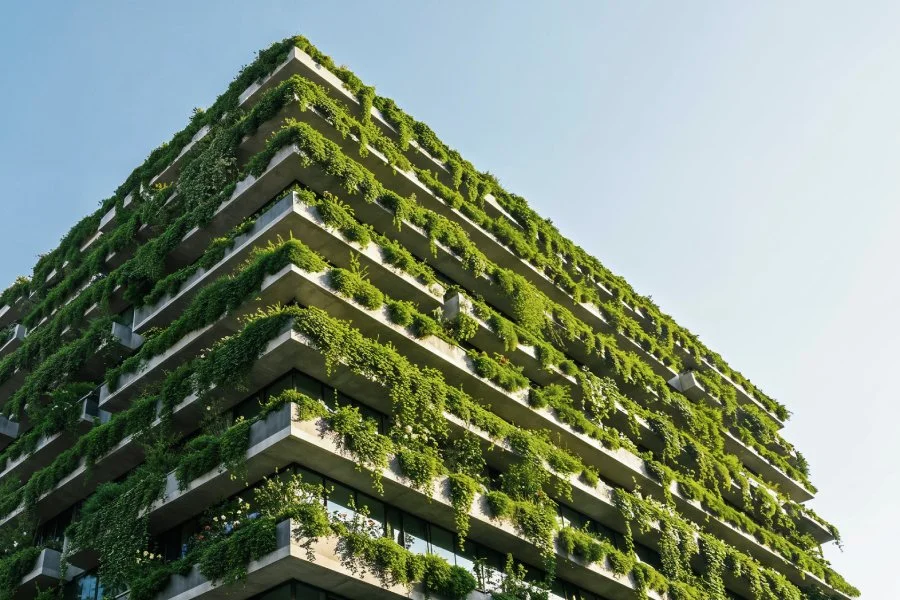
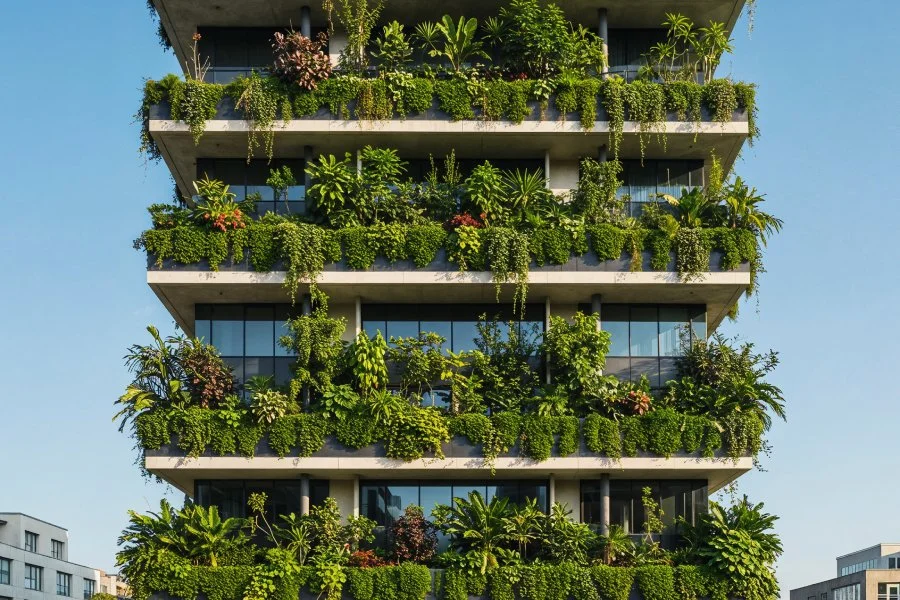
Green roofs or rooftop gardens
Solar panels integrated into the design
Minimalist layouts that reduce unnecessary materials
However, sustainability is ultimately about performance rather than appearance. A building can look traditional or modern and still be sustainable if it uses efficient systems and environmentally responsible materials.
Core Principles of Sustainable Architecture
Although sustainable projects vary widely, most follow a consistent set of guiding principles.
Energy efficiency, achieved through passive design and efficient systems
Water conservation, including rainwater harvesting and efficient plumbing
Indoor air quality, supported by proper ventilation and non-toxic materials
Structural efficiency, reducing unnecessary material usage
Material optimization, prioritizing renewable or recyclable resources
Adaptability, allowing buildings to evolve with changing needs
Waste reduction, minimizing construction debris and landfill impact
These principles help architects create buildings that perform well for decades.
The Role of Structural Engineering in Sustainable Architecture
Structural engineering is often overlooked in sustainability discussions, yet it plays a crucial role in reducing environmental impact.
Efficient structural design can reduce material consumption by optimizing spans and minimizing unnecessary structural elements. Foundation systems also influence environmental impact, particularly because concrete production generates significant carbon emissions.
Early collaboration between architects and engineers ensures that sustainability strategies are integrated from the beginning of a project rather than added later as an afterthought.
This integrated design approach leads to more efficient, durable, and environmentally responsible buildings.
Examples of Sustainable Design Strategies in Residential & Commercial Projects
Sustainable architecture can be applied to projects of every size.
Residential Buildings
In residential design, sustainable strategies often focus on improving energy efficiency and comfort.
Common approaches include:
High-performance insulation and airtight construction
Solar-ready roof designs that support photovoltaic panels
Energy-efficient windows and shading systems
Smart home energy monitoring systems
Water-efficient landscaping and irrigation
These improvements reduce household energy use while enhancing indoor comfort.
Commercial Buildings
Commercial buildings often incorporate larger-scale sustainability strategies.
Examples include:
Efficient floor plans that maximize daylight
LED lighting systems that reduce electricity consumption
Structural designs that allow flexible interior layouts
Smart energy management systems that monitor building performance
Tenant fit-out designs that minimize renovation waste
These features help reduce operating costs while improving workplace environments.
Is Sustainable Architecture More Expensive?
Many people assume that sustainable architecture significantly increases construction costs. In reality, the cost difference is often smaller than expected.
While certain technologies—such as solar panels or advanced insulation—may increase upfront investment, these costs are typically offset by long-term savings.
Sustainable buildings often reduce:
Energy expenses
Maintenance requirements
Equipment replacement frequency
In many cases, green building investments achieve a return on investment within five to ten years.
The Future of Sustainable Architecture
Sustainable architecture continues to evolve as technology advances and climate challenges intensify.
Several emerging trends are shaping the future of the industry:
Net-zero energy buildings, which produce as much energy as they consume
Mass timber construction, which stores carbon rather than emitting it
Electrified building systems powered by renewable energy
Circular construction models that allow materials to be reused
These innovations move the industry beyond efficiency toward regenerative design—buildings that actively support environmental health.
Conclusion
Understanding what is sustainable architecture is essential as the construction industry moves toward more environmentally responsible practices. Sustainable architecture represents a fundamental shift in how buildings are designed, constructed, and operated.
By prioritizing energy efficiency, responsible material use, and long-term performance, sustainable buildings reduce environmental impact while creating healthier spaces for the people who use them. According to the U.S. Energy Information Administration, buildings account for a large share of global energy use, making sustainable design a critical part of reducing carbon emissions.
Working with experienced architecture firm helps ensure that sustainability strategies are properly integrated into the structure, building systems, and long-term performance of the project. As environmental challenges continue to grow, sustainable architecture is no longer optional—it is a necessary step toward building resilient communities and a more sustainable future.
